 University of North Texas



Bringing Light to Others
Josh Florez ('11) founded a nonprofit to help veterans combat post-traumatic stress
disorder.
October 28, 2025
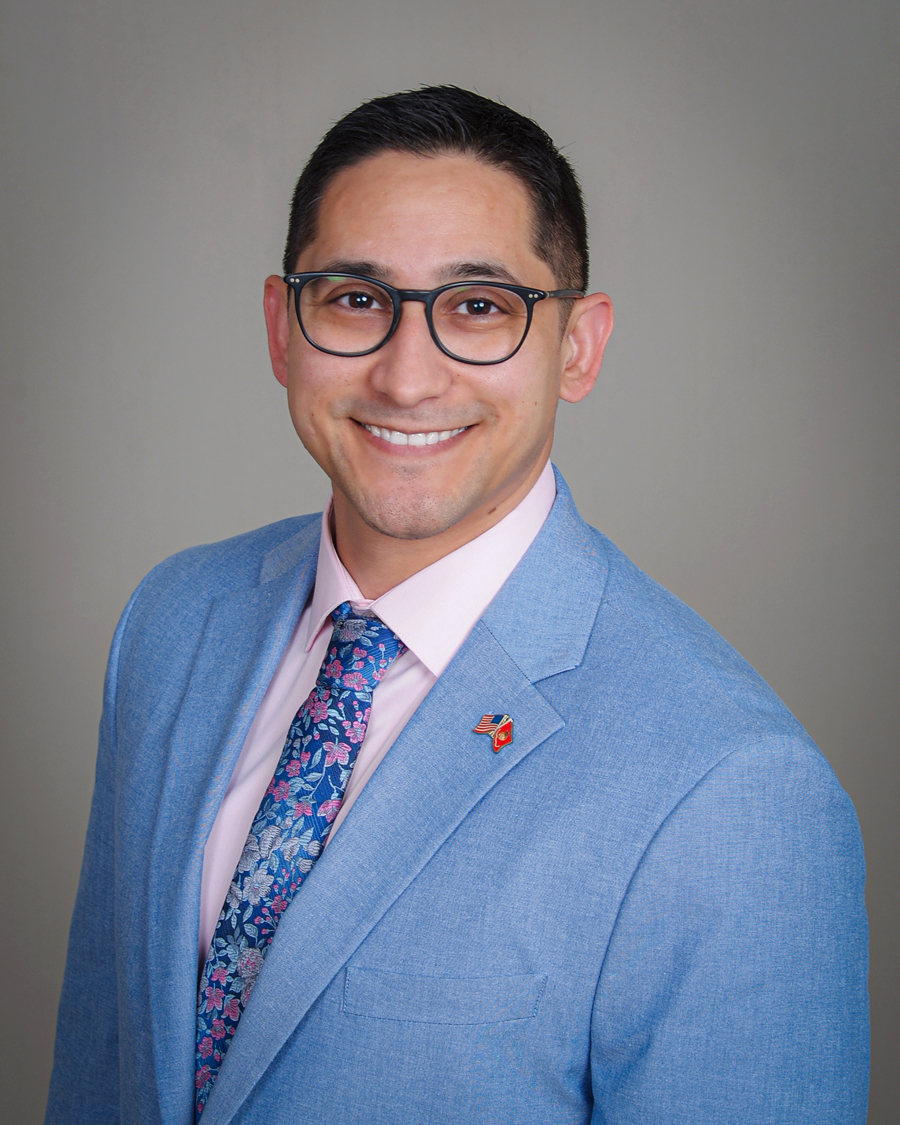
Josh Florez ('11)
Joshua Florez ('11) is always serving others.
First as a Marine who fought in two wars. Then as a physician assistant in cardiac surgery. Now as the founder of Operation Ten Ten, a newly formed nonprofit organization that removes access barriers to treatment for Texas veterans who experience post-traumatic stress disorder.
The faith-based organization derives its name from the Bible verse, John 10:10, which says, "The thief comes only to steal, kill and destroy. I have come that they may have life, and have it to the full."
"We feel like PTSD really acts in that same way," he says. "It robs people of their joy. It destroys families and people's lives, and unfortunately, it can also kill, which is what we see with veteran suicide. So Operation Ten Ten was started because this is what we want to fight against."
'You Never Leave a Marine Behind'
Florez's cause comes from his own struggles with PTSD.
The Fort Worth native served in the Marines from 2004 to 2009, propelled to enlist by the terrorist attacks on Sept. 11, 2001.
He served in two conflicts -- Operation Iraqi Freedom in 2006 and Operation Enduring Freedom in Afghanistan in 2009. After coming home, he earned three degrees -- a biology degree at UNT, a master's in medical science in 2013 and a master's in physician assistant studies in 2017, both from UNT Health Science Center, now UNT Health Fort Worth.
But during that period, he also experienced flashbacks, nightmares, anger and depersonalization that resulted in dysfunctional relationships and suicidality.
"It's hard to talk about, but I don't think any of us ever expected that the things we would do and see would affect us in the ways they did," he says. "We were gung-ho to fight and serve, and I'm still grateful I was able to do that, but no amount of training will prepare you to see someone lose their life."
While seeking help from the Veterans Administration, he often found himself struggling to work up the energy to go to an appointment -- only to discover it had been cancelled. There was frequent provider turnover. Agency officials wanted to prescribe medication, but hesitated to give referrals for counseling.
"They always said when we were in the Marine Corps that you never leave a Marine behind, and I feel like there are so many veterans that have gotten left behind. When you're a veteran and you're dealing with the after-effects of combat trauma, whether they're physical or mental, you feel really stuck until you can get past it."
Florez received piecemeal support from his family and church, as well as relying on tools such as taking medication, exercising and maintaining healthy sleep and diet habits while trying to navigate a broken mental health system.
"Throughout the better part of a decade, if it hadn't been for the support of my family and the church I attended, I feel pretty confident I would have been one of the unfortunate casualties that we see."
'Fortunate To Be Alive'
That's where Operation Ten Ten comes in.
Florez and the board members developed a 12-month holistic program with four pillars -- psychiatric care, evidence-based counseling, peer support and social support. The OTT team works alongside the veteran and their partner, friend or caregiver to develop an individualized treatment plan. Through wraparound support, OTT helps remove barriers that prevent successful completion of PTSD therapy.
The Fort Worth-based organization was founded in 2024 and launched its pilot program this year with two veterans. They hope to expand to 10 clients in 2026 and continue to refine their action plan in the years to come.
"We have periodic check-ins with our veterans to see how treatment is translating into an improved quality of life for them. It's huge to hear somebody's wife say, 'This is the best I've seen him in 10 years. I feel like I'm getting my husband back,' or somebody saying, 'I actually felt like getting out of bed today.'"
Florez does all this while working full time as a traveling physician assistant and raising a family. He and the two other board members are not paid. They raise funds through private donations and grants and rely on a small group of volunteers so donations go directly to support a veteran on their journey to treatment, healing and restoration.
"I feel very fortunate to be alive," he says. "I don't want to see a single one of my brothers and sisters who served have to struggle like I did unnecessarily. They've already sacrificed for freedom and for their country. They don't need to give up any more of their life, trying to stumble through the dark with PTSD."
Learn more about Operation Ten Ten. If you or a veteran you know is having a mental health crisis, please call/text 988 for the Suicide and Crisis Lifeline.