- 11/30/2013 12:00:00 AMCuster and the MediaIn his book Shooting Arrows and Slinging Mud: Custer, the Press and the Little Bighorn, journalism professor James Mueller examines the press coverage of Custer's Last Stand in 1876 — the battle between federal troops and Northern Plains Indians that has been mythologized through the years.
 CultureBooksFrank W. and Sue Mayborn School of JournalismBooks, Journalismstory
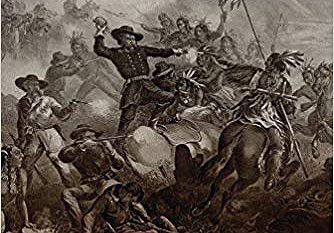
In his book Shooting Arrows and Slinging Mud: Custer, the Press and the Little Bighorn (University of Oklahoma Press), journalism professor James Mueller examines the press coverage of Custer's Last Stand in 1876 — the battle between federal troops and Northern Plains Indians that has been mythologized through the years.
"Many newspapers were sympathetic to the Indian side and blamed the government for starting the war," Mueller says. "Although Custer was a national hero, journalists made jokes about the battle, writing things like 'Custer's death was Sioux-icide.'"
CultureBooksFrank W. and Sue Mayborn School of JournalismBooks, Journalismstory
In his book Shooting Arrows and Slinging Mud: Custer, the Press and the Little Bighorn (University of Oklahoma Press), journalism professor James Mueller examines the press coverage of Custer's Last Stand in 1876 — the battle between federal troops and Northern Plains Indians that has been mythologized through the years.
"Many newspapers were sympathetic to the Indian side and blamed the government for starting the war," Mueller says. "Although Custer was a national hero, journalists made jokes about the battle, writing things like 'Custer's death was Sioux-icide.'"