- 03/29/2024 12:00:00 AMLunar ExplorationWith NASA grant, UNT researchers are exploring new protective coatings for lunar exploration tech.Heather Noel
 UNT NewsCollege of Engineering, Department of Mechanical and Energy Engineeringstory
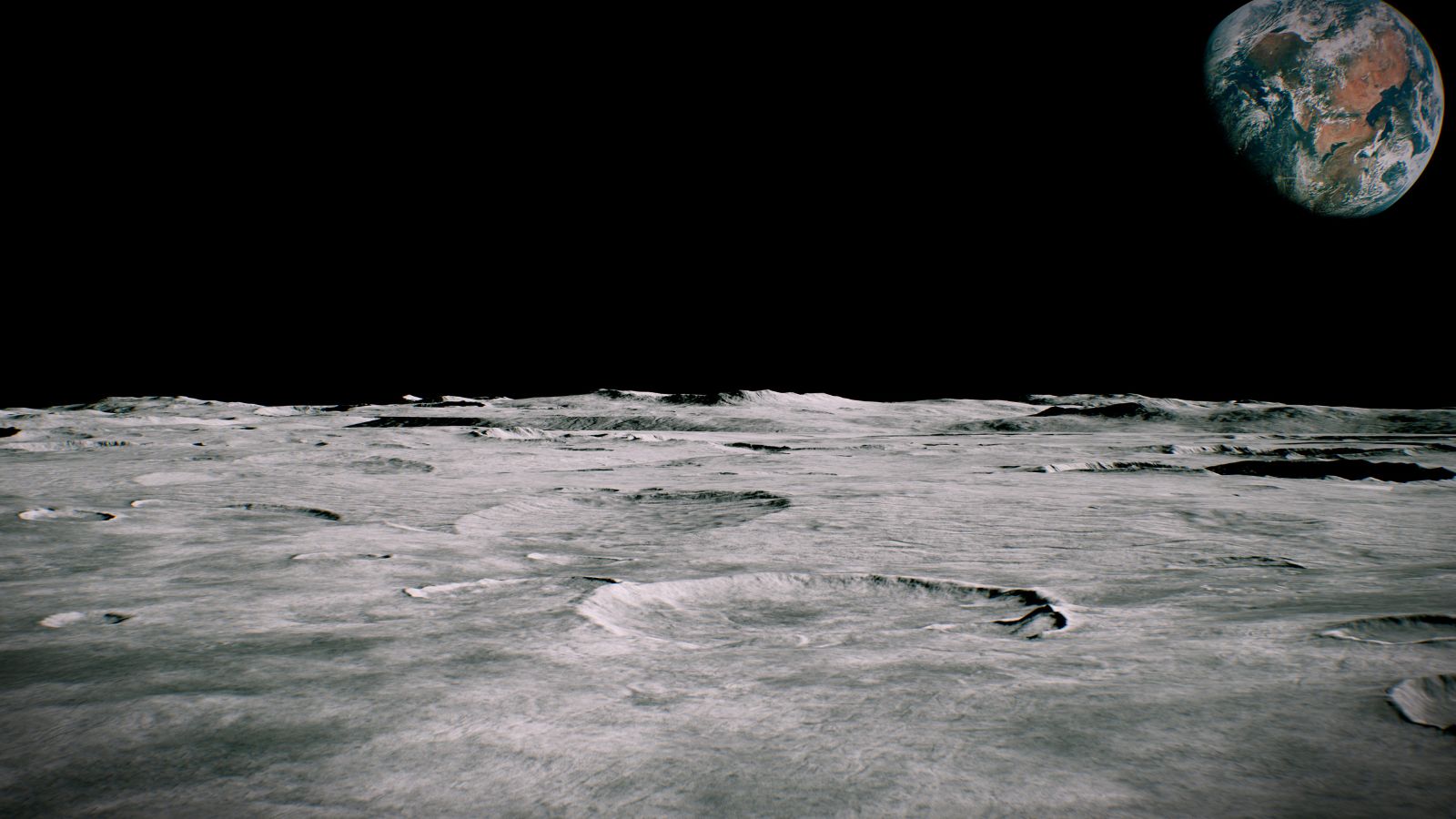
As NASA looks to explore new regions of the moon full of drastic temperature shifts and dusty terrain, it needs heat transfer coatings for its autonomous space vehicles that are lighter, more energy efficient and more capable of withstanding the fluctuating environments. Assistant professor of mechanical engineering Richard Z. Zhang is leading a team -- including researchers at UNT, Texas Woman's University and NASA -- in developing these advanced heat transfer coatings made up of nano/microscale materials that could be used in future Artemis exploration missions. These coatings could minimize dust collection on vehicles and control heat absorption or dissipation. The team also will focus on encouraging future STEM professionals to pursue careers in space exploration.
UNT NewsCollege of Engineering, Department of Mechanical and Energy Engineeringstory
As NASA looks to explore new regions of the moon full of drastic temperature shifts and dusty terrain, it needs heat transfer coatings for its autonomous space vehicles that are lighter, more energy efficient and more capable of withstanding the fluctuating environments. Assistant professor of mechanical engineering Richard Z. Zhang is leading a team -- including researchers at UNT, Texas Woman's University and NASA -- in developing these advanced heat transfer coatings made up of nano/microscale materials that could be used in future Artemis exploration missions. These coatings could minimize dust collection on vehicles and control heat absorption or dissipation. The team also will focus on encouraging future STEM professionals to pursue careers in space exploration.