- 03/22/2019 12:00:00 AMInspirational WomanMarjorie Herrera Lewis writes about a woman who coached football during World War II.
 CultureBooksDepartment of Media ArtsBooks, Media Artsstory
Marjorie Herrera Lewis, adjunct professor of media ethics in the media arts department, was inspired to write her new novel when she got an allergy shot.
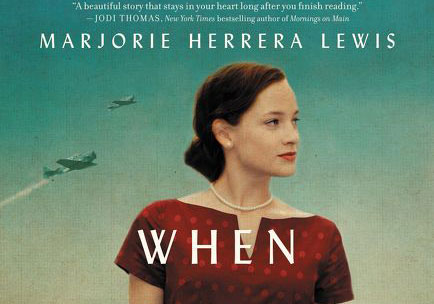
Lewis, a former sportswriter with the Fort Worth Star-Telegram and The Dallas Morning News, wore a T-shirt with a football printed on it while nurse Jean VanWaters gave the shot. VanWaters told Lewis about her grand-aunt Tylene Wilson, who coached a football team in Brownwood during World War II. When the Men Were Gone (Harper Collins) is a fictionalized account of Wilson's story.
"I wanted to memorialize what Tylene had done during such a difficult time in our country's history," Lewis says.
CultureBooksDepartment of Media ArtsBooks, Media Artsstory
Marjorie Herrera Lewis, adjunct professor of media ethics in the media arts department, was inspired to write her new novel when she got an allergy shot.
Lewis, a former sportswriter with the Fort Worth Star-Telegram and The Dallas Morning News, wore a T-shirt with a football printed on it while nurse Jean VanWaters gave the shot. VanWaters told Lewis about her grand-aunt Tylene Wilson, who coached a football team in Brownwood during World War II. When the Men Were Gone (Harper Collins) is a fictionalized account of Wilson's story.
"I wanted to memorialize what Tylene had done during such a difficult time in our country's history," Lewis says.